
- Home
- Practice Areas
- Personal Injury
- About
- Our Locations
- Blog
- Contact Us
100% Confidential. No Obligations.




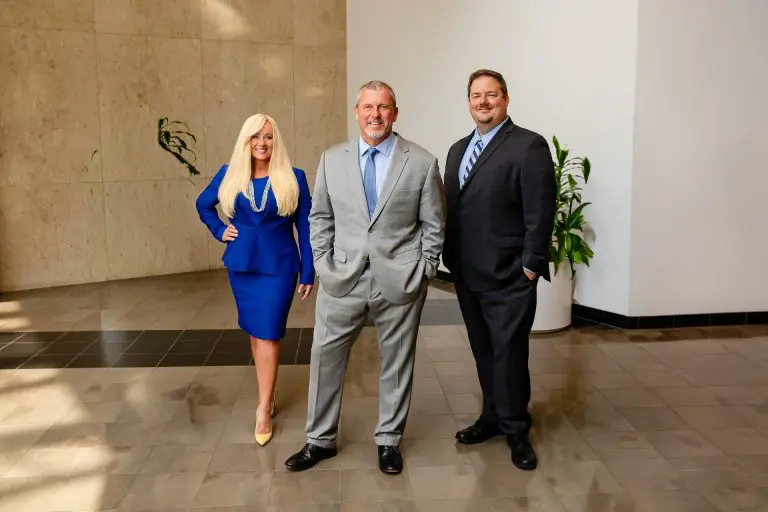
The Connecticut pedestrian accident lawyers at McCoy & McCoy understand the devastating impact a serious pedestrian accident can have on victims and their families. When a pedestrian is struck by a car, truck, motorcycle, or other motor vehicle, the injuries are often severe and may result in extensive medical treatment, lost income, physical pain, and long-term emotional trauma. Our attorneys are committed to helping injured pedestrians throughout Connecticut pursue the compensation they deserve while dealing with the insurance company and the legal process.
For over 50 years, McCoy & McCoy has represented injured pedestrians across Connecticut with offices in Hartford, New Haven, and Torrington. We understand the state’s specific right-of-way statutes and “Strict Duty of Care” laws. We help victims navigate the complexities of C.G.S. § 14-300b, which requires drivers to yield to pedestrians in both marked and unmarked crosswalks.
We offer free consultations and work on a contingency fee basis, meaning you pay nothing unless we recover compensation for you.
Most people think pedestrian accidents are simple, but Connecticut law has several “hidden” rules that can make or break your case. At McCoy & McCoy, we specialize in the technical nuances of the Connecticut General Statutes (C.G.S.) to protect our clients.
The “Right of Way” in Marked & Unmarked Crosswalks
Under C.G.S. § 14-300b, pedestrians have a clear right of way not just in painted crosswalks, but also at unmarked crosswalks at any intersection.
The Duty to Yield: Drivers must stop and remain stopped if a pedestrian is within any part of the crosswalk or has signaled an intent to cross.
The “Invisible” Crosswalk: Many accidents occur because drivers don’t realize that every intersection in Connecticut is technically a crosswalk, even without white paint markings. We hold drivers accountable for this “hidden” duty of care.
Protections Under the “Vulnerable User Law”
Connecticut’s Vulnerable User Law (C.G.S. § 14-300i) helps protect pedestrians by imposing a higher standard of “reasonable care” on motor vehicle operators when they are near pedestrians. If a driver fails to exercise this care and causes serious injury or death, they face increased penalties, which we use as leverage to prove negligence in your civil claim.
Comparative Negligence: Can You Sue if You Were “Jaywalking”?
Insurance companies often try to deny claims if the pedestrian wasn’t in a crosswalk. However, Connecticut follows a Modified Comparative Negligence system (C.G.S. § 52-572h).
The Strict 90-Day Notice for Municipal Claims
This is the most critical deadline in Connecticut pedestrian law. If your accident was caused or worsened by a defective sidewalk, broken curb, or city-owned vehicle, the clock is ticking faster.
C.G.S. § 13a-149: Requires that a formal written notice be filed with the town or city within 90 days of the injury. If you miss this window, you may lose your right to sue the government entity entirely. This is why immediate legal consultation is vital.
The “Intent to Cross” Standard (C.G.S. § 14-300)
Since October 2021, Connecticut pedestrians no longer have to risk their lives by stepping into traffic to claim the right of way. The expertise of McCoy & McCoy lies in holding drivers accountable to this expanded duty of care.
How the New Law Protects You
A motorist is now legally required to stop or slow down if a pedestrian is simply about to cross. The law recognizes “intent” through three specific actions:
The Hand Signal: If you are standing at the curb and raise your hand or arm toward oncoming traffic, drivers must stop.
Body Movement: If any part of your body moves into the crosswalk area, the driver’s duty to stop is triggered instantly.
The “Extension” Rule: This is a critical nuance. Intent is also signaled if you move an extension into the crosswalk, including a stroller, wheelchair, cane, or leashed animal.
Why Drivers Still Get It Wrong
Even with this clear statute, many drivers in cities like Hartford and New Haven still operate under the “old” rules. They wait for a pedestrian to be in their lane before braking.
Our Expertise: We use traffic camera footage and witness statements to prove you signaled your intent at the curb, establishing that the driver violated C.G.S. § 14-300 before the impact even occurre
At McCoy & McCoy, your case isn’t just another file on a desk- it’s personal.The attorneys at McCoy & McCoy have been representing injured pedestrians across Connecticut for over 50 years. From the moment you contact us, your case is led by an experienced attorney.
We operate on a contingency fee basis, meaning you pay nothing unless we win your case. It’s simple: no upfront costs, no hidden fees- just a team fighting for you. Our firm has recovered millions for injured clients, and we’re ready to put our experience, resources, and reputation to work for you.
After a pedestrian accident, you may quickly find yourself contacted by an insurance company seeking information about the crash and your injuries. While insurance adjusters may appear to be helpful, it is important to remember that their primary goal is often to minimize the amount the company pays on a claim.
Before speaking with an insurance adjuster, it is important to understand your legal rights and the potential value of your claim. An experienced Connecticut pedestrian accident lawyer can help handle communications with the insurance company so you don’t say anything that might be used against you. Having legal representation can allow you to focus on your recovery while your attorney works to pursue the financial recovery you deserve.
Investigation: The process often begins with an investigation into the accident. Your pedestrian accident attorney will gather police reports, medical records, witness statements, surveillance footage, photos, and other evidence to help establish liabiltiy.
Negotiations: Your lawyer will attempt to negotiate a fair settlement with the insurance company
Litigation: If a settlement cannot be reached, both sides may exchange evidence and information through a process known as discovery.
Trial: Most pedestrian accident lawsuits resolve through settlement negotiations or mediation before reaching trial. However, if the parties cannot agree on compensation, the case may proceed to trial where a judge or jury will determine liability and damages.
Throughout the process, a pedestrian accident attorney can help guide you through each stage of the case, communicate with insurance companies and defense attorneys, and work to pursue compensation for medical expenses, lost wages, pain and suffering, and other damages related to the accident.
Many drivers—and even some lawyers—don’t realize that under C.G.S. § 14-300b, every intersection is a crosswalk, even if there are no painted lines. Pedestrians have the right of way at these “unmarked” locations. At McCoy & McCoy, we often win cases by proving the accident occurred at one of these legal intersections that the driver ignored.
If you were hit by a vehicle as a pedestrian in Connecticut, you generally have two years from the date of the accident to file a personal injury lawsuit. This deadline is known as the statute of limitations. If you miss it, you may lose your ability to recover compensation for your injuries.
That said, certain situations can change how this deadline applies:
Because these deadlines are strictly enforced, it’s important to take action as soon as possible. Speaking with a pedestrian accident attorney early can help ensure your case is filed on time and your rights are fully protected.
Yes. Connecticut is a Modified Comparative Negligence state (C.G.S. § 52-572h). Even if you were crossing outside of a crosswalk, you can recover compensation as long as your fault is not greater than the driver’s (50% or less). If you are found 20% at fault, your settlement is simply reduced by 20%—you are not barred from recovery.
You may still be covered. Even though you were a pedestrian, you can often file a claim under your own Uninsured/Underinsured Motorist (UM/UIM) car insurance policy. If you don’t own a car, you may even be covered under a family member’s policy. We identify every possible “pocket” of insurance to maximize your recovery.
Yes. Under C.G.S. § 14-295, a judge has the power to award double or triple damages if we can prove the driver was acting with “reckless disregard” for safety. This includes behaviors like extreme speeding or driving under the influence. At McCoy & McCoy, we specifically plead for these damages to ensure the at-fault party is held fully accountable.
Crosswalk Collisions
Even in marked crosswalks, drivers often fail to yield. Whether due to distraction, speeding, or negligence, pedestrians hit in a crosswalk often suffer severe injuries — and drivers must be held accountable.
Texting, GPS use, or even eating behind the wheel can lead to devastating consequences. When a distracted driver hits a pedestrian, the results can be life-changing — and entirely preventable.
When a driver flees the scene, victims are left injured and without answers. We help identify negligent parties, pursue uninsured motorist claims, and fight to get you justice — even when the driver disappears.
Parking Lot Accidents
Parking lots may seem low-speed, but they’re high-risk for pedestrians. Limited visibility, rushing drivers, and lack of marked paths often lead to serious injuries — especially to children and elderly pedestrians.
It is important to understand your rights after a pedestrian accident in Connecticut. An experienced pedestrian accident attorney will be able to help you navigate the legal system and protect your injury claim, ensuring you receive the full compensation for your economic damages, including medical bills and lost wages, as well as pain and suffering and other losses. Contact the pedestrian accident attorneys at McCoy & McCoy today for a free consultation.
Losing a loved one in a pedestrian accident is a devastating experience. In Connecticut, these cases are governed by C.G.S. § 52-555, and the process for seeking justice is unique.
Who Can File the Claim?
Unlike other states, where any family member can sue, Connecticut law requires that a Wrongful Death claim be brought by the Executor or Administrator of the deceased person’s estate.
If there is a will, the named Executor takes the lead.
If there is no will, the Probate Court must appoint an Administrator (usually a spouse or close relative) before the lawsuit can proceed.
Recoverable Damages: Focus on the Decedent’s Loss
Connecticut is unique because the law focuses primarily on the loss suffered by the person who passed away, rather than just the grief of the survivors. We fight to recover:
Medical & Funeral Expenses: Coverage for end-of-life care and burial costs.
Loss of Capacity to Enjoy Life’s Activities: Compensation for the years of life and experiences your loved one was deprived of.
Pre-Death Pain and Suffering: If your loved one did not pass away instantly, the estate can recover for the suffering they endured.
Loss of Spousal/Parental Consortium: Separate claims for the loss of companionship, love, and protection provided to a spouse or minor children.
Pedestrian accidents often result in serious and life-changing injuries due to the lack of protection pedestrians have against motor vehicles. Even low-speed collisions can cause significant physical trauma and long-term medical complications. Some of the most common injuries associated with pedestrian accidents include:
If you have been a victim of a pedestrian accident due to someone else’s negligence, you will likely be able to seek compensation. When you work with Connecticut pedestrian injury attorney at McCoy & McCoy, you get the legal representation you can rely on to resolve your case successfully. Working with a trusted and qualified attorney can also increase your peace of mind. Our attorneys will give you the help you need to work with the driver’s insurance company on fair and just compensation.
The pedestrian injury attorneys at McCoy & McCoy are located in Hartford, Torrington, and New Haven, CT. We represent injured victims all throughout Connecticut. We are happy to come out to your location to meet with you if distance is an issue.
Every pedestrian accident case in unique, therefore, it is impossible to accurately determine exactly how much a case is worth. However, by speaking to a CT pedestrian accident attorney, you can work to determine a fair estimate by evaluating injuries and the time it takes you to recover.
What you DO NOT want to do is accept less money than your claim is worth working with an insurance company. This could make you financially responsible for medical expenses and lost income. With the help of a Connecticut pedestrian accident attorney, you can receive maximum amount of compensation for non-economic and economic damages.
A knowledgeable Hartford pedestrian injury attorney like Frank McCoy Jr. can help you learn more about the laws in Connecticut. For example, a new law that took effect in October 2021 clarifies that motorists are required to yield to a pedestrian if that pedestrian moves into a crosswalk. A pedestrian accident attorney will fully understand that law and can use that information to seek proper compensation for your injuries.
The new pedestrian law also states that drivers must stop for pedestrians who indicate they will cross the street. Signaling with your hands that you intend to cross the road is enough to require drivers to stop and wait for you to do so entirely. That signal or entering the crosswalk in any way are both acceptable for pedestrians. Drivers who fail to stop are subject to penalties and lawsuits if they strike a pedestrian.
If the driver fled the scene, you may still have options for compensation. In Connecticut, uninsured motorist (UM) coverage on your own auto insurance policy can often cover hit-and-run pedestrian accidents. Our attorneys will investigate the incident, wrk to identify the driver if possible, and help you file a UM claim to recover damages for medical bills, lost wages, and pain and suffering. These cases are complex – having an experienced pedestrian accident lawyer on your side can make all the difference.
You may still have a valid claim. While crosswalks offer legal protections, Connecticut law does not automatically place fault on the pedestrian if they weren’t in one. Drivers still have a duty to watch for pedestrians and avoid collisions whenever possible. Liability depends on the full context of the accident. At McCoy & McCoy, we’ll investigate every little detail, gather evidence, and fight to prove negligence, even if you weren’t in a designated crosswalk.
Fault depends on the circumstances of the accident. Often times, the driver may be at fault if they were speeding, distracted, failed to yield, or violated traffic laws. onnecticut uses a comparative negligence system, which means fault can be shared. Even if a pedestrian is partially at fault, they may still recover compensation — it just may be reduced based on their percentage of responsibility. At McCoy & McCoy, our attorneys investigate the facts, determine liability, and build a strong case on your behalf.
The timeline to settle a pedestrian accident case can vary based on many factors including the severity of injuries, complexity of the case, and how the insurance company responds.
At McCoy & McCoy, we prioritize both speed and fairness. We work quickly to gather evidence, negotiate with insurers, and push for a timely settlement — but we’ll never rush a case at the expense of your full compensation. Our goal is to resolve your claim efficiently while ensuring you get the recovery you deserve.
The amount you can recover depends on many different factors, including the severity of your injuries, the cost of medical treatment, lost income, pain and suffering, and how the accident has impacted your daily life. There’s no universal number, every case is unique in its own way and that is why we give each case an individualized approach.
At McCoy & McCoy, we evaluate the full scope of your damages and fight for maximum compensation.
We’ll factor in current and future medical needs, emotional distress, long-term limitations, and more. Our goal is to ensure that you’re not left paying the price for someone else’s negligence.
See what past clients have to say about working with the Connecticut pedestrian accident lawyers at McCoy & McCoy – real stories from people we’ve helped through some of life’s toughest moments. We have a 4.9 rating on google with over 200+ 5 star reviews. Check us out, our clients say it better than we ever could.

Whether you’re ready to file a claim or just want answers, we’re here to help. There’s no risk and no obligation – just trusted legal advice and a team that puts you first.